
Inherited Property Abroad: Apostilling Death Certificates, POAs and Court Documents in the U.S.
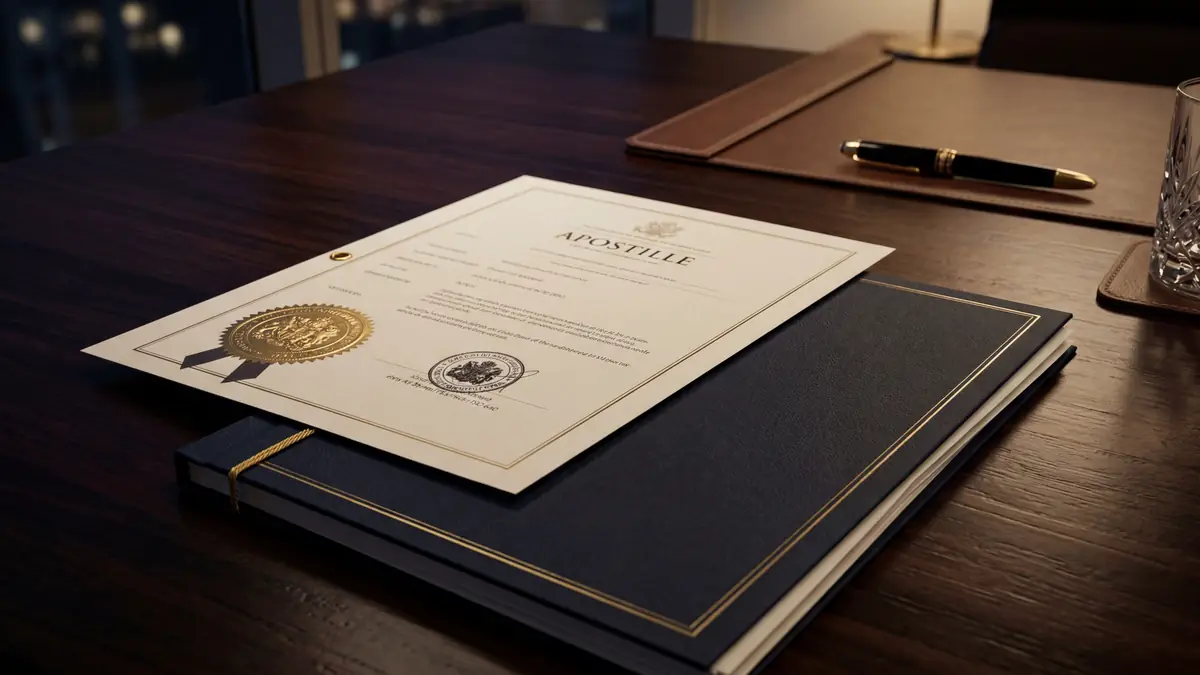
Claiming or transferring property abroad that's part of a U.S. estate almost never depends on a single document. The property registry, bank, or receiving notary usually requires a set: the death certificate, a probate order or letters of administration, and sometimes a power of attorney if someone else will act on the heir's behalf. This guide brings together the full picture, explains why each document follows a different route to apostille, and links out to our detailed guides on each one.
Inherited property abroad may require: 1) the death certificate, issued by the state's vital statistics office; 2) a probate order or letters of administration, issued by the county court; 3) a power of attorney, if someone else will act on the heir's behalf. Each document comes from a different authority and generally needs its own apostille, even if they all relate to the same case. If the destination country isn't part of the Hague Apostille Convention, a different process may apply instead. None of these procedures determine who's entitled to the property; that's a question for your attorney.