
Serving the U.S. and clients worldwide since 2004
Background checks

Do I Need an FDLE or FBI Background Check for a Foreign Residency Application?
Practical guide · 7 min read · August 10, 2026

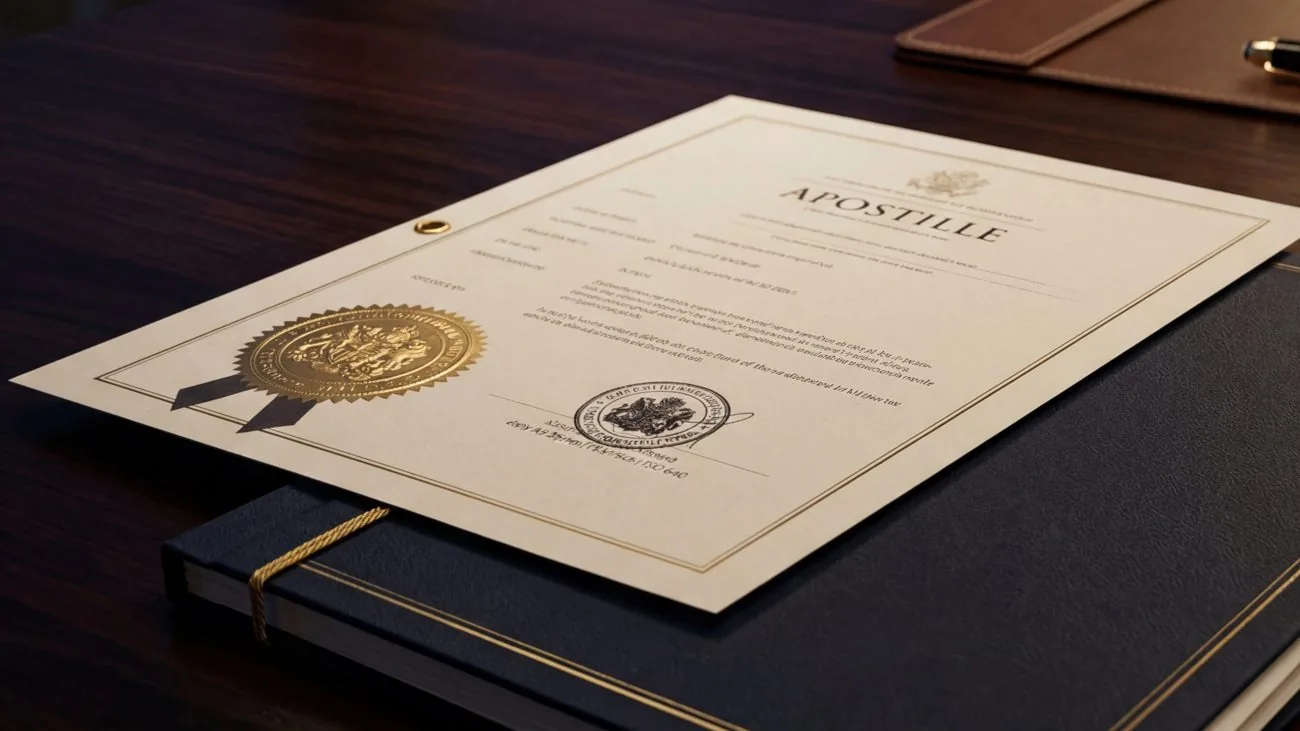
Background check document ready for apostille
Illustrative image; it does not represent an official FDLE or FBI document.

If you're putting together the file for a foreign residency application, the immigration authority is likely asking for a U.S. background check. The question that comes up right away is which one: the state-level FDLE check, the federal FBI check, or both? The answer isn't the same for every case, and guessing can cost you weeks of delay in processing your application.

Quick summary

There's no universal rule: each immigration authority decides whether it accepts the state-level FDLE check, the federal FBI check, or requires both. Confirm directly with the authority or consulate processing your residency application before ordering any background check. Once you know which one you need, order the certified version and follow the matching apostille route: state-level for FDLE, federal for the FBI.

Why immigration authorities ask for a criminal background check

Most residency or long-term visa processes include a criminal background check as part of the overall applicant evaluation. The usual purpose is to confirm the applicant has no criminal record in the country or countries where they resided, including the United States if that applies to their case. This is an administrative requirement of the immigration process, not something Integramerica evaluates or determines.

FDLE vs. FBI: which one authorities tend to request

This is where many people get stuck: some immigration authorities specifically request the federal FBI check because it covers the entire country, others accept the state-level check from where the applicant resided, and others request both. There's no fixed list of what each country requires, because requirements vary by the specific authority and can change. If you want to first understand the difference between the two documents and why they follow different apostille routes, see our guide FDLE vs. FBI Background Check: Which One Do You Need Apostilled?

How to confirm it with the immigration authority

The most reliable way to know which background check you need is to review the official document checklist published by the immigration authority or the relevant consulate, or to ask directly in writing. Avoid relying on what someone else told you about a similar process they went through at a different time, since documentation requirements can change between applications and between countries. Confirming in writing before ordering the background check avoids having to repeat the entire process.

The apostille process once you know which one you need

Once the correct document is confirmed, order the certified version (never the non-certified search, which isn't apostille-eligible) and send it to the matching apostille authority: the Florida Department of State for FDLE, or the U.S. Department of State for the FBI. Sending the document to the wrong authority is a common jurisdiction mistake that almost always ends in the document being returned; we cover it in detail in this guide on the FDLE/FBI jurisdiction mistake.

Mistakes that delay a residency application

  • Ordering a background check without first confirming with the immigration authority exactly which one it requires.
  • Submitting FDLE's non-certified search when the process requires an apostille.
  • Sending the FBI check to a state office, or the FDLE check to the federal government, due to a jurisdiction mistake.
  • Not checking the maximum age the immigration authority accepts before ordering the document.
  • Assuming a single background check covers the requirement when both are actually requested.

We don't provide immigration eligibility advice; we coordinate document authentication once you've confirmed with the receiving authority which check you need.

FAQ

Frequently asked questions

Have more questions? Send us your specific case and we'll walk through it with you.

Do all countries require the same background check for a residency application?+
No. There's no universal rule by country: each immigration authority sets its own requirement, and may ask for the state-level check (FDLE), the federal check (FBI), or both. Confirm directly with the authority or consulate processing your application.
Why do immigration authorities ask for a U.S. background check?+
Generally to verify the applicant has no criminal record in the country or countries where they resided, as part of evaluating a residency application or long-term visa.
Can I submit the background check without an apostille if the immigration authority allows it?+
Only if the receiving authority explicitly says so. Most immigration authorities require U.S. documents to be apostilled (or legalized, if the country isn't part of the Apostille Convention) before accepting them.
What happens if I submit the wrong background check with my residency application?+
The immigration authority may reject the document or ask you to replace it, which can delay processing of the entire application. That's why it's worth confirming exactly which check is required before ordering either one.
Does the apostille on the background check expire?+
The apostille itself doesn't expire, but the receiving authority typically requires the underlying background check to have a maximum age from its issue date. Confirm that timeframe with the immigration authority before starting the process.
Contact

Need a background check apostilled for a residency application?

Tell us what the immigration authority requested (FDLE, FBI, or both, if you know), the destination country, and your deadline. We'll review the correct route before you order any document.

Request your background check review for residency

Add more details (optional)+
Call

Please do not include Social Security numbers, financial account information or other highly sensitive personal data.

WhatsAppCallEmail