
Serving the U.S. and clients worldwide since 2004
Background checks

FDLE vs. FBI Background Check: Which One Do You Need Apostilled?
Practical guide · 8 min read · August 10, 2026

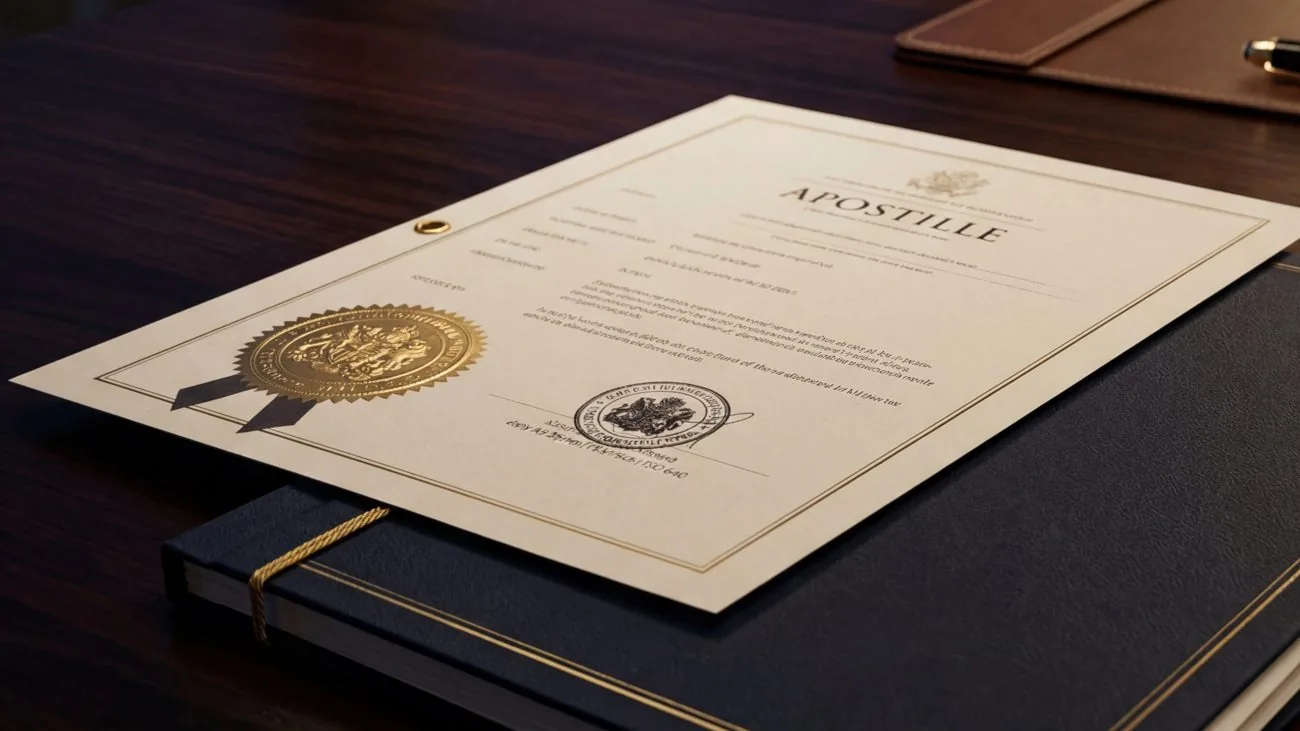
Background check document ready for apostille
Illustrative image; it does not represent an official FDLE or FBI document.

If you live in Florida, worked in Florida, or simply need a criminal background check for use abroad, it's easy to assume "background check" is a single process. In reality there are two distinct documents in the United States: the state-level FDLE (Florida Department of Law Enforcement) check and the federal FBI check. Each reflects different records, and each follows a completely different apostille route. Confusing the two is one of the most common causes of delay when someone needs a background check authenticated for international use.

Quick summary

An FDLE background check reflects only the arrest and disposition records on file with the state of Florida, and it's apostilled through the Florida Department of State. The FBI background check (FBI Identity History Summary) is a federal, nationwide document, and its apostille is handled by the U.S. Department of State, regardless of what state you live in. Which one you need depends entirely on what the receiving authority abroad requires: confirm that before ordering either one.

What is an FDLE background check?

FDLE, through its Division of Criminal Justice Information Services (CJIS), is Florida's central repository for criminal history information. It offers two types of search results: a non-certified version, meant for informational use only, and a certified version, which is the only one eligible for apostille. It's important to understand that an FDLE background check reflects arrests and dispositions on record specifically with the state of Florida; it does not necessarily include records from other states.

What is an FBI background check?

The FBI Identity History Summary, commonly called an "FBI background check," is a federal, nationwide document that compiles information reported by agencies across the country to the federal system. Unlike an FDLE check, it isn't limited to a single state's records; it reflects a nationwide compilation.

The key difference: who issued the document, not where you live

The distinction between FDLE and FBI doesn't depend on where the person lives or which state the request is filed from. It depends on which agency generated the document: FDLE is a Florida state agency, so its check reflects state records; the FBI is a federal agency, so its check reflects a nationwide compilation. This is the same logic — identify who issued or certified the document, not where the requester lives — that determines the apostille route for any U.S. document, as we explain in more detail in our guide on state vs. federal apostille.

Why the apostille route is different

Because FDLE is a state agency, a certified FDLE background check is apostilled by the same authority that apostilles other Florida state documents: the Florida Department of State. The FBI background check, on the other hand, is a federal document, and its authentication is handled by the U.S. Department of State, regardless of whether the requester lives in Florida, another state, or abroad. Sending an FBI check to Florida for apostille, or an FDLE check to the federal Department of State, is the most common jurisdiction mistake in this process; we cover it in more detail, including what happens when it occurs, in this guide on the FDLE/FBI jurisdiction mistake.

How do I know which one is being requested?

The foreign authority — an employer, an embassy, an immigration authority, or a licensing board — is the one that determines whether it accepts FDLE, FBI, or both. There is no universal rule by country or by type of process: each institution sets its own requirements, and those can change. Confirm directly with whoever will receive the document, ideally in writing, before ordering either check.

Could you need both?

Yes. It's common for a foreign authority to request the check from the state where you most recently resided (FDLE, if that was Florida) together with the nationwide FBI check, especially if the person lived in more than one state during the period the application covers. In that case, each document follows its own apostille route independently and the two cannot be combined into a single process.

Common mistakes

  • Assuming an FDLE background check automatically covers records from other states.
  • Ordering FDLE's non-certified search, which is not apostille-eligible.
  • Sending an FBI background check to a state office for apostille.
  • Assuming that living in Florida turns the FBI check into a "Florida" document.
  • Not confirming in writing with the receiving authority which of the two checks it actually requires.

We can help you confirm which background check you need based on what your receiving authority requires, and coordinate the correct apostille route for that specific document.

FAQ

Frequently asked questions

Have more questions? Send us your specific case and we'll walk through it with you.

Does an FDLE background check include arrests from other states?+
No. An FDLE background check reflects only the arrest and disposition records on file with the state of Florida. If you need a history that covers the entire country, that's what the FBI background check is for.
Can I apostille FDLE's non-certified search result?+
No. Only the certified version of an FDLE background check is eligible for apostille; the non-certified search result is informational only and cannot be submitted for apostille.
If I live in Florida, does that mean my FBI check gets apostilled in Florida?+
No. The FBI background check is a federal document, and its apostille is handled by the U.S. Department of State, regardless of what state the requester lives or resides in.
How do I know whether the foreign authority wants FDLE, FBI, or both?+
There is no universal rule by country or by type of process. Confirm directly with the employer, embassy, licensing board, or immigration authority which check they require, ideally in writing, before ordering either one.
How long does FDLE take to issue the certified background check?+
Per FDLE's own site, processing a certified search generally takes about 6 to 7 business days, though that timeframe can change; confirm the current processing time directly on FDLE's site before committing to a deadline.
Do I need to translate the background check before it's apostilled?+
The apostille is attached to the document in its original language. If the receiving authority requires a certified translation, that translation is typically ordered separately; confirm with the recipient whether it must also be apostilled or certified together with the original.
Contact

Need an FDLE or FBI background check apostilled?

Tell us which of the two checks you were asked for (or if you're not sure), the destination country, the receiving authority, and your deadline. We'll review the correct route before you order any document.

Request your background check review

Add more details (optional)+
Call

Please do not include Social Security numbers, financial account information or other highly sensitive personal data.

WhatsAppCallEmail